Self Help Approach in Kandhamal for Transformation and Innovation (SHAKTI)
The SHAKTI Project (Self Help Approach in Kandhamal for Transformation and Innovation) continued its journey during 2025–26 toward empowering tribal women and children in the remote villages of Daringbadi Block, Kandhamal district of Odisha.
Self Help Approach in Kandhamal for Transformation and Innovation (SHAKTI)
The SHAKTI Project (Self Help Approach in Kandhamal for Transformation and Innovation) continued its journey during 2025–26 toward empowering tribal women and children in the remote villages of Daringbadi Block, Kandhamal district of Odisha.
Self Help Approach in Kandhamal for Transformation and Innovation (SHAKTI)
The SHAKTI Project (Self Help Approach in Kandhamal for Transformation and Innovation) continued its journey during 2025–26 toward empowering tribal women and children in the remote villages of Daringbadi Block, Kandhamal district of Odisha.
About the Project
Project Snapshot
Status
Active
Collaborators
Kindernothilfe (KNH), Germany
Focus Areas
Women empowerment
Scheme
Livelihood
Introduction
The SHAKTI Project (Self Help Approach in Kandhamal for Transformation and Innovation) continued its journey during 2025–26 toward empowering tribal women and children in the remote villages of Daringbadi Block, Kandhamal district of Odisha. Implemented by JAGRUTI in partnership with Kindernothilfe, the project focused on strengthening women’s leadership, child protection, sustainable livelihoods, and community participation through the Self-Help Approach (SHA). During the reporting year, the project directly reached 8,124 individuals, while the cumulative reach since the start of the project increased to 8,691 beneficiaries.
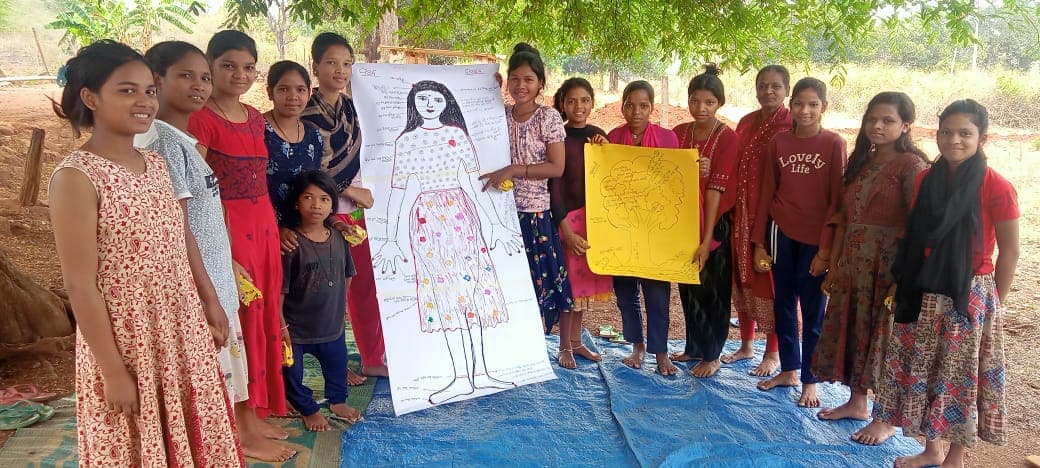
The project worked closely with socially and economically vulnerable families, especially Scheduled Tribe (ST) communities, through Self-Help Groups (SHGs), Green Child Clubs (GCCs), and community institutions. During 2025–26, the project supported 274 women SHG members, increasing the cumulative outreach to 435 women through strengthened SHG activities, leadership development, and livelihood promotion. The project also reached 1,319 children (643 boys and 676 girls) through awareness sessions on child rights, child labour, child marriage, education, hygiene, and environmental protection. In addition, 6,022 community members, 62 single women, 76 stakeholders, and 53 youth actively participated in awareness programmes, Gram Sabha meetings, disaster preparedness activities, and village-level campaigns, with youth participation significantly exceeding the planned target.
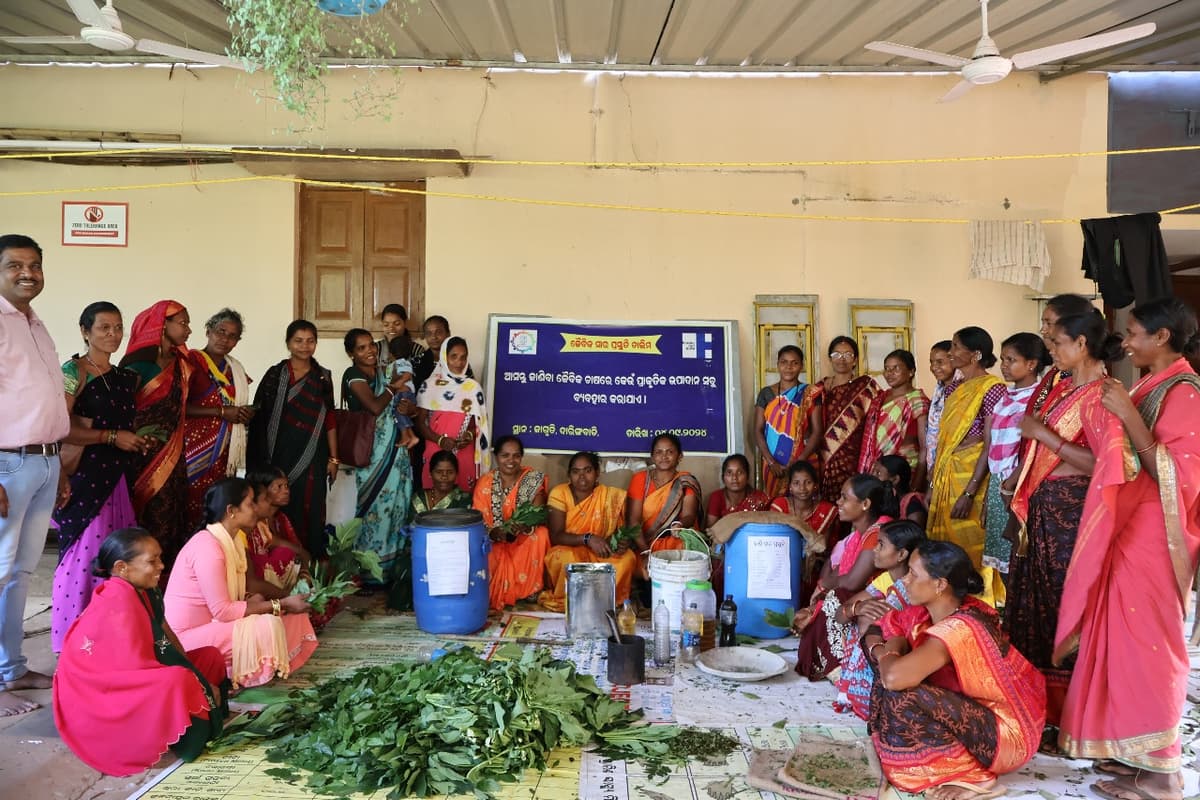
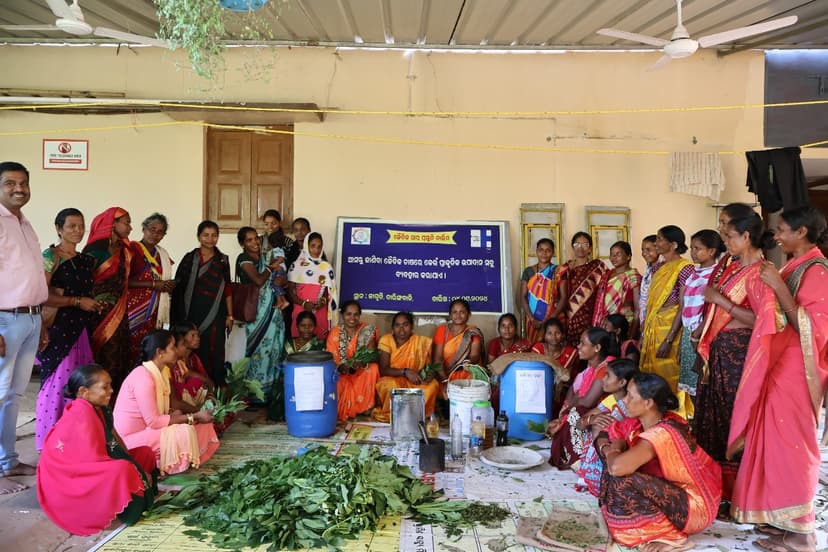
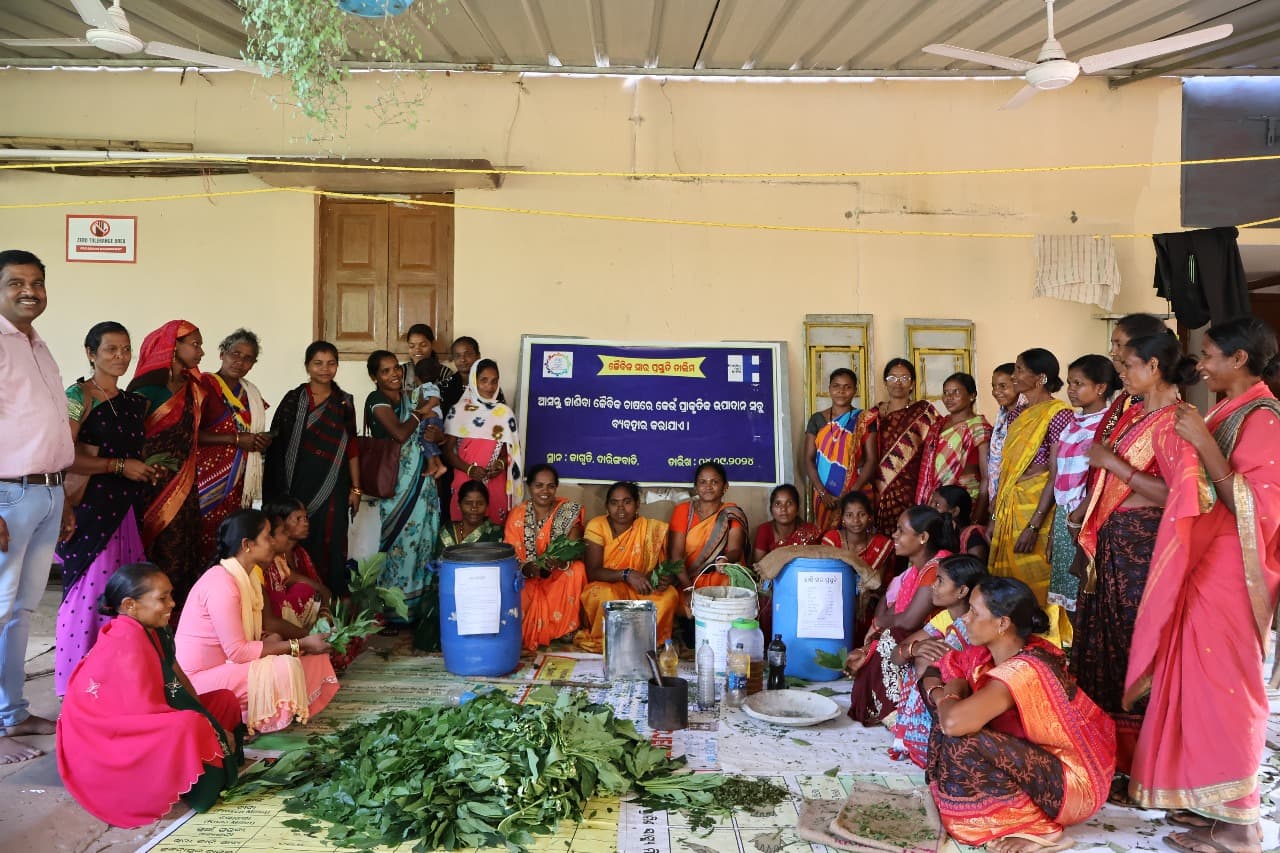
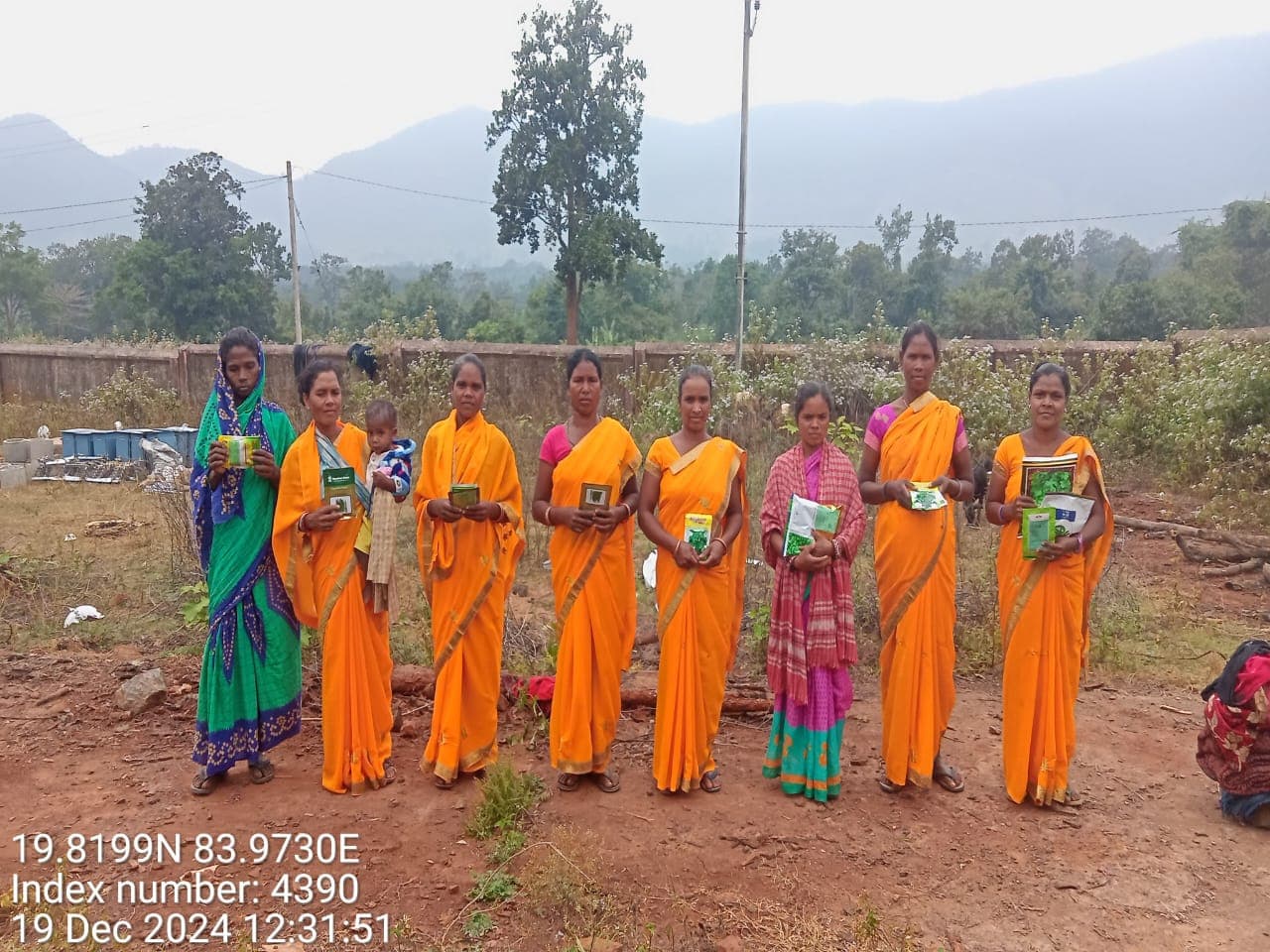
The SHAKTI Project further strengthened women’s economic empowerment through climate-resilient agriculture, organic farming, traditional seed preservation, and sustainable livelihood activities. More than 110 women farmers participated in trainings on bio-fertilizer and bio-pesticide preparation, vegetable cultivation, and organic farming practices. SHG members also participated in exposure visits, women conventions, seed exhibitions, and International Women’s Day celebrations to promote collective learning and leadership. Despite challenges such as climate variability, migration, and poor connectivity in remote villages, the project achieved significant progress through strong community participation, regular capacity building, and effective collaboration with government departments, PRI members, schools, and local stakeholders.
Target Groups Reached During 2025–26
Target Group | Planned Target | Reached During 2025–26 | Cumulative Reach Since Project Start | Remarks |
Women SHG Members | 274 | 274 women | 435 women | Increased participation and expansion of SHGs beyond the original target. |
Children | 1,319 | 1,319 children (643 boys, 676 girls) | 1,341 children (652 boys, 689 girls) | Additional outreach in nearby hamlets increased coverage. |
Community Members | 7,600 | 6,022 individuals (2,904 male, 3,118 female) | 6,142 individuals | Outreach focused more deeply in two Gram Panchayats for quality implementation. |
Single Women | 62 | 62 women | 62 women | Continued support through SHGs and social protection linkages. |
Stakeholders (PRI Members, Teachers, Anganwadi Workers) | 76 | 76 stakeholders (54 male, 22 female) | 91 stakeholders (54 male, 37 female) | Increased engagement of Anganwadi Workers and local institutions. |
Youth | 15 | 53 youth (21 male, 32 female) | 53 youth | Youth participation exceeded targets through village planning and awareness campaigns. |
Sponsorship Chidren Identified | 260 |
| 260 |
|
Total Direct Beneficiaries | 9,208 | 8,124 individuals | 8,691 individuals | Strong participation across women, children, youth, and stakeholders. |
The project also indirectly reached approximately 8,000–10,000 additional people through awareness campaigns, community meetings, trainings, cultural events, and family-level influence.
Key Achievements During 2025–26
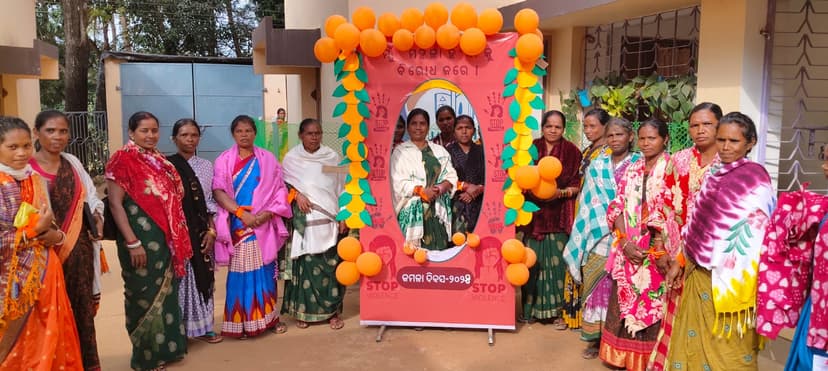
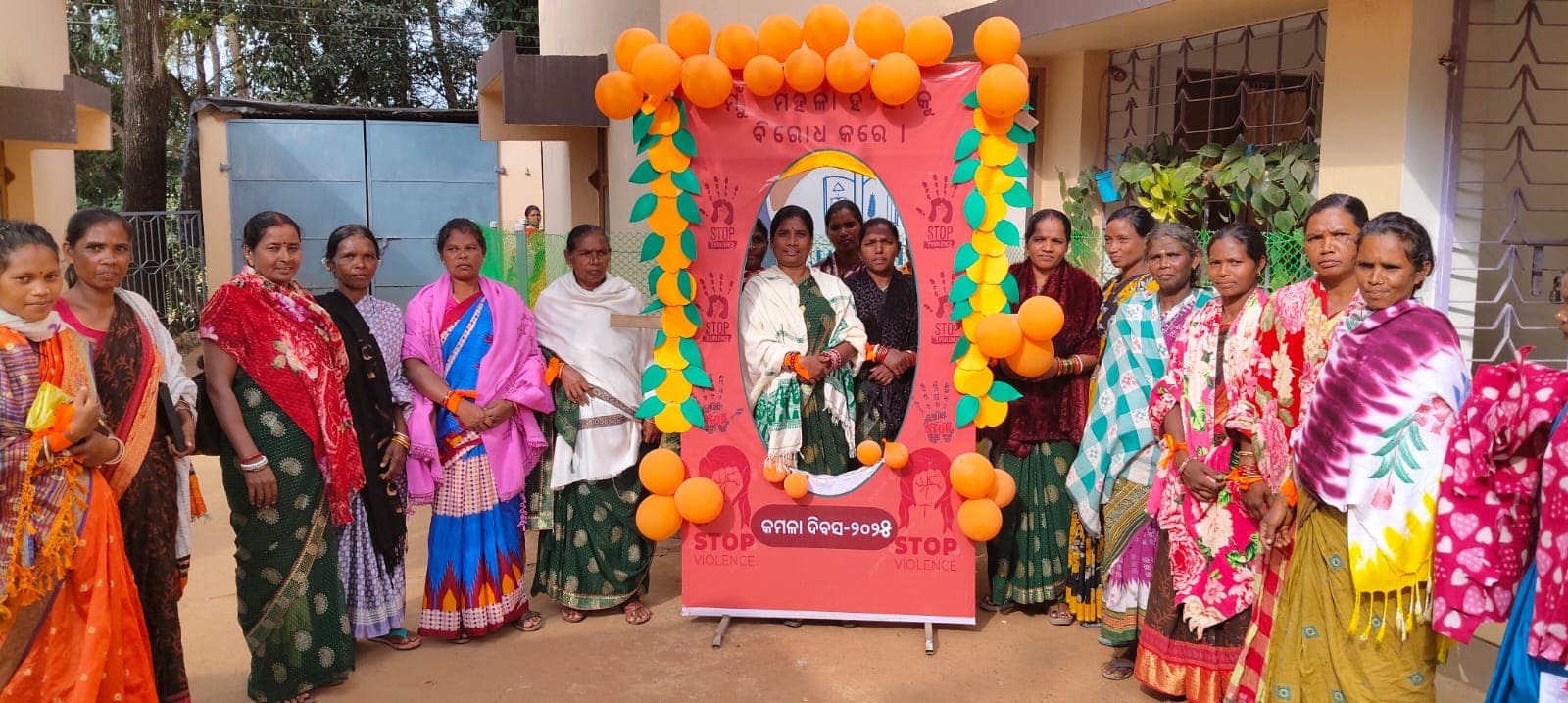
The project successfully strengthened 40 Self-Help Groups and directly engaged 435 women cumulatively through regular meetings, trainings, leadership development, and collective action. Women became more confident in decision-making, financial management, and participation in community governance.
Major Achievements:
Ø Rs. 9.33 lakh mobilized through regular SHG savings.
Ø Rs. 1.37 lakh disbursed through internal lending among SHG members.
Ø 13 SHGs increased monthly savings from Rs. 50 to Rs. 100 per member.
Ø 85% of SHGs demonstrated improved financial discipline and regular meetings.
Ø Women actively raised village issues at Gram Panchayat and Block levels.
Ø 301 women linked to government schemes such as Subhadra, PM Kisan, CM Kisan, labour cards, and Farmer IDs.
The project also promoted leadership through rotational responsibilities and group-based planning processes. Women increasingly participated in advocacy and community problem-solving, reflecting a strong shift from dependency to collective self-reliance.
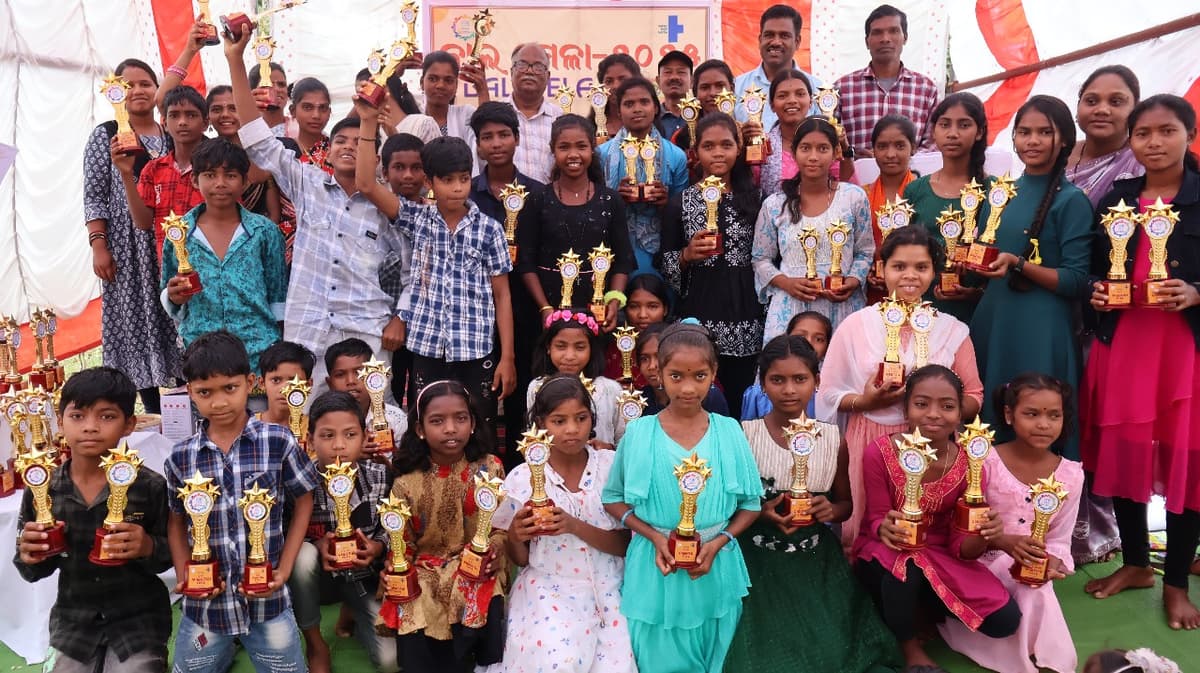
Livelihood Promotion and Economic Development
The SHAKTI Project focused on sustainable livelihood opportunities to improve household income and reduce economic vulnerability.
Livelihood Activities Promoted:
Ø Vegetable cultivation
Ø Turmeric farming
Ø Mushroom cultivation
Ø Millet-based food production
Ø Non-Timber Forest Produce (NTFP) value addition
Ø Rice mill operation
Key Results:
Ø 100 women engaged in vegetable cultivation.
Ø Participating families reported 20–30% increase in household income.
Ø Three SHGs supplied nutritious ragi laddus to local schools.
Ø One SHG-operated rice mill generated regular daily income.
Ø 30 women identified and prepared for micro-enterprise development.
The project also conducted trainings on entrepreneurship, financial literacy, business planning, communication, and leadership, enabling women to manage income-generating activities more effectively.
Child Rights, Education, and Protection
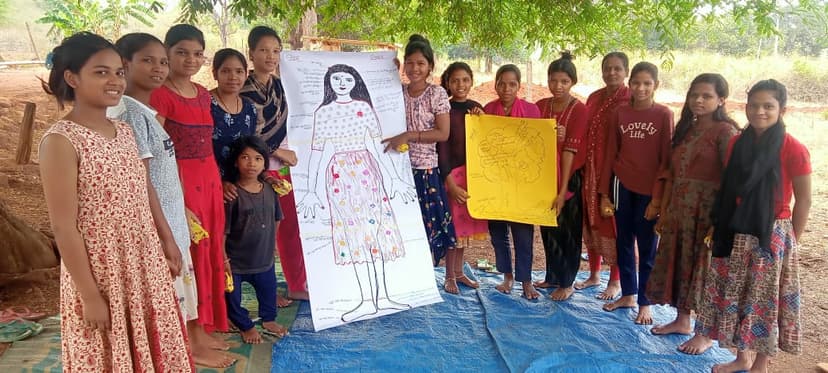
Children remained at the centre of the SHAKTI Project. Through Green Child Clubs (GCCs), awareness programmes, nature classes, and school-based activities, children actively participated in promoting child rights and environmental protection.
Child-Focused Achievements:
Ø 1,341 children reached through awareness and education activities.
Ø 9 dropout children re-enrolled in schools.
Ø 645 children supported for regular school attendance.
Ø 15 Green Child Clubs formed and strengthened.
Ø One child marriage successfully prevented.
Ø One child protection case received community and legal support.
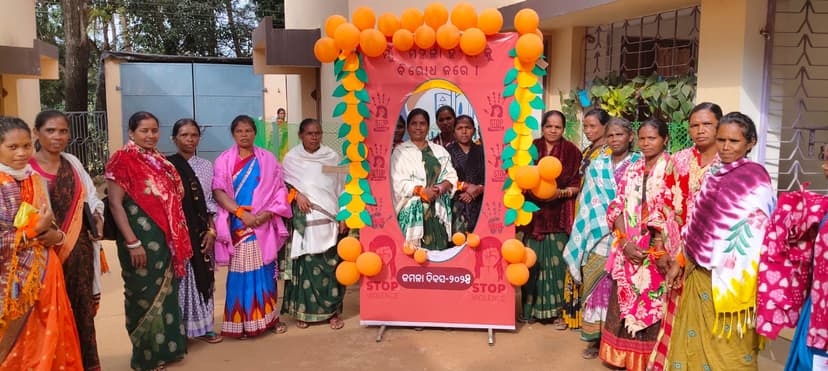
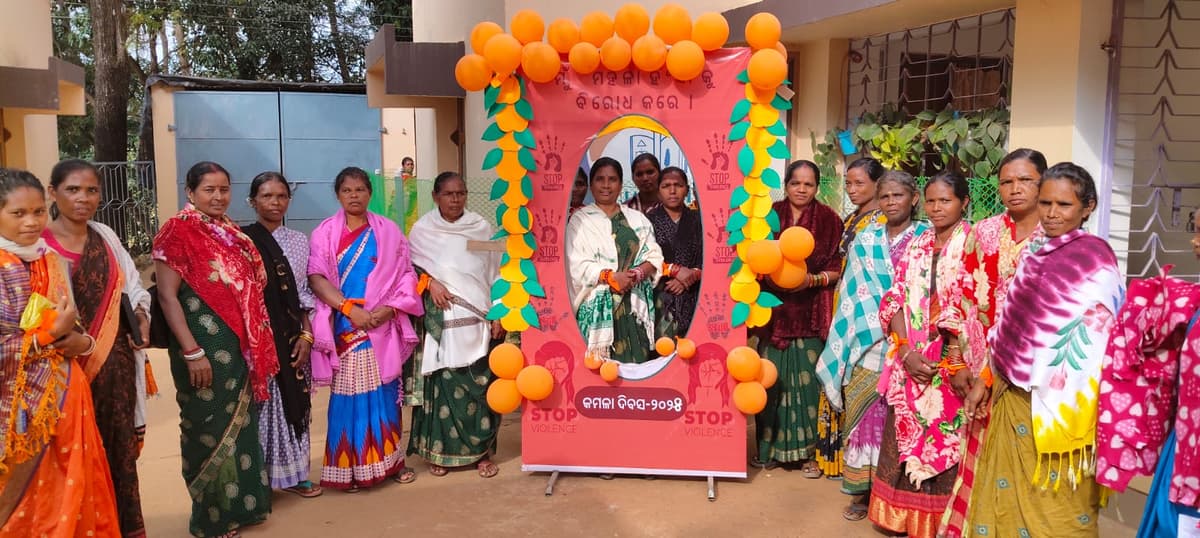
The project organised observances such as Social Justice Day, Orange Day, Independence Day, Republic Day, and Children’s activities to strengthen children’s confidence, leadership, and participation.
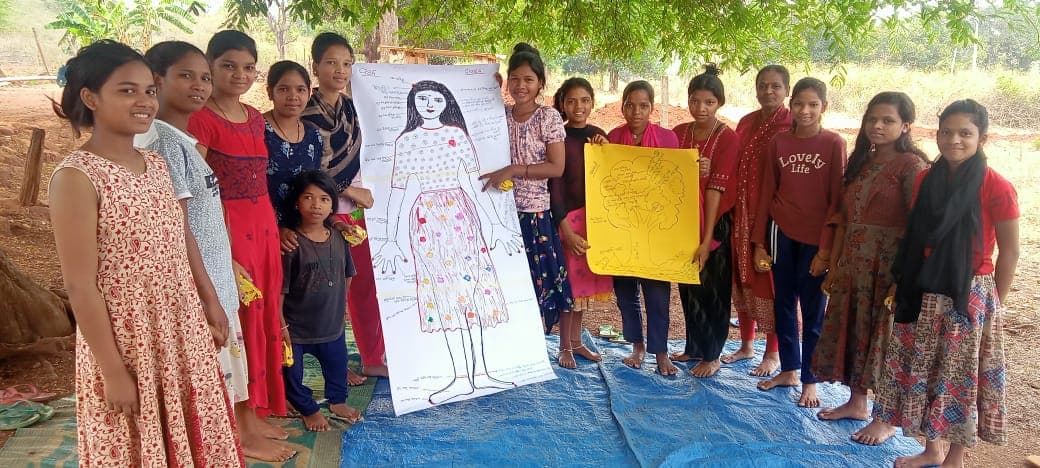
Community Development and Governance
One of the major successes of the SHAKTI Project was strengthening women’s engagement with governance systems and improving access to basic services.
Major Governance Outcomes:
Ø 25 SHGs jointly submitted 16 village development issues to the Block administration.
Ø 42 households received piped drinking water connections.
Ø 60 families accessed solar-based drinking water facilities.
Ø 23 families received electricity connection approvals.
Ø Two Anganwadi buildings became functional.
Ø Two village roads were developed, benefiting 33 families.
Ø 9 girls received Azim Premji Scholarships worth Rs. 30,000 annually.
The project facilitated regular interface meetings, advocacy visits, and coordination with government departments, PRI members, teachers, and Anganwadi workers. This strengthened institutional convergence and improved service delivery in remote villages.
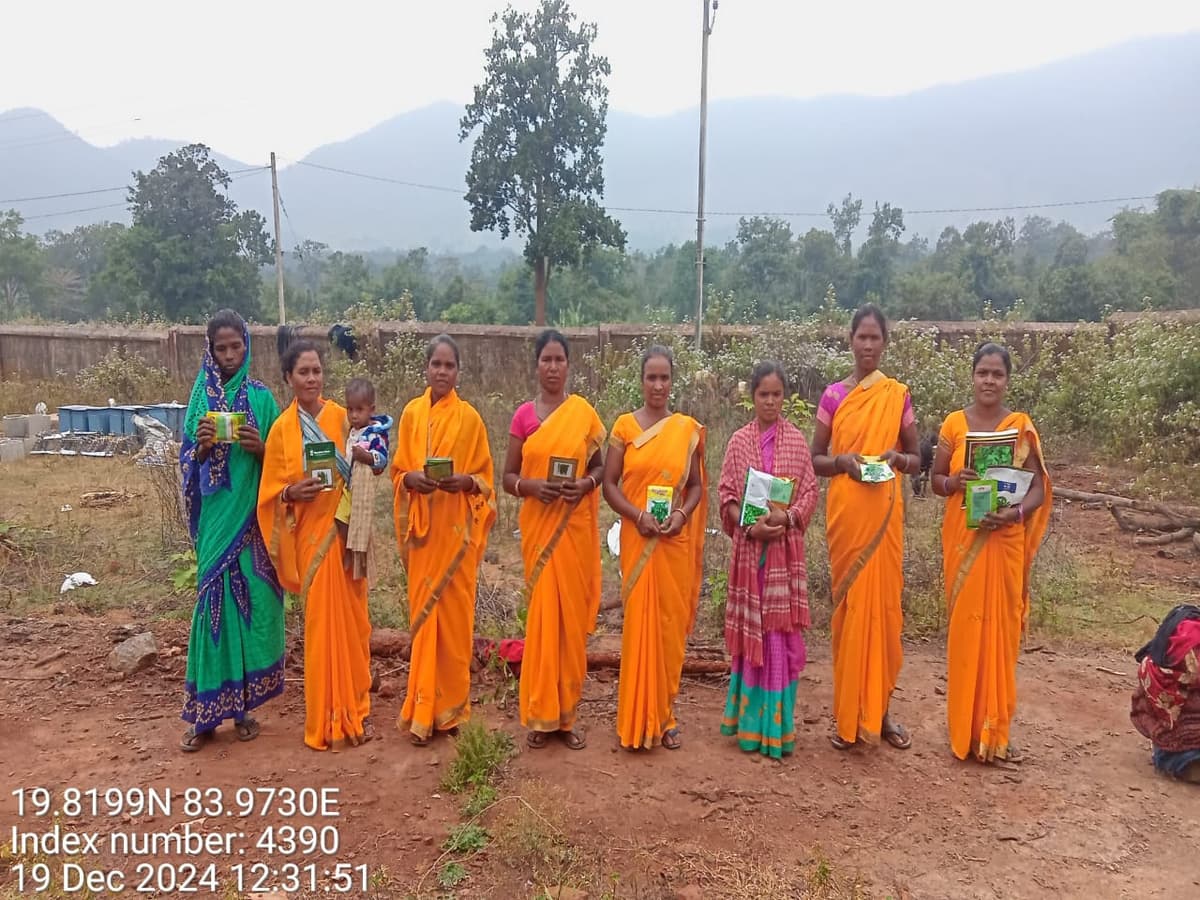
Sustainability and Future Plans
The SHAKTI Project has laid a strong foundation for sustainable community institutions. SHGs and Green Child Clubs are gradually becoming self-reliant through regular meetings, savings practices, leadership development, and community ownership.
In the coming year, the project plans to:
Ø Form 30 new SHGs through the Self-Help Approach.
Ø Establish 4 Cluster Level Associations (CLAs).
Ø Strengthen women-led enterprises and market linkages.
Ø Organise SHG Banijya Melas and women conventions.
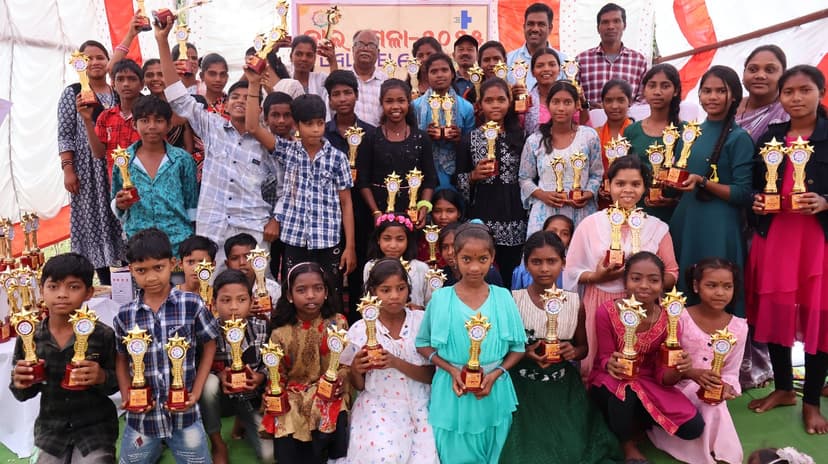
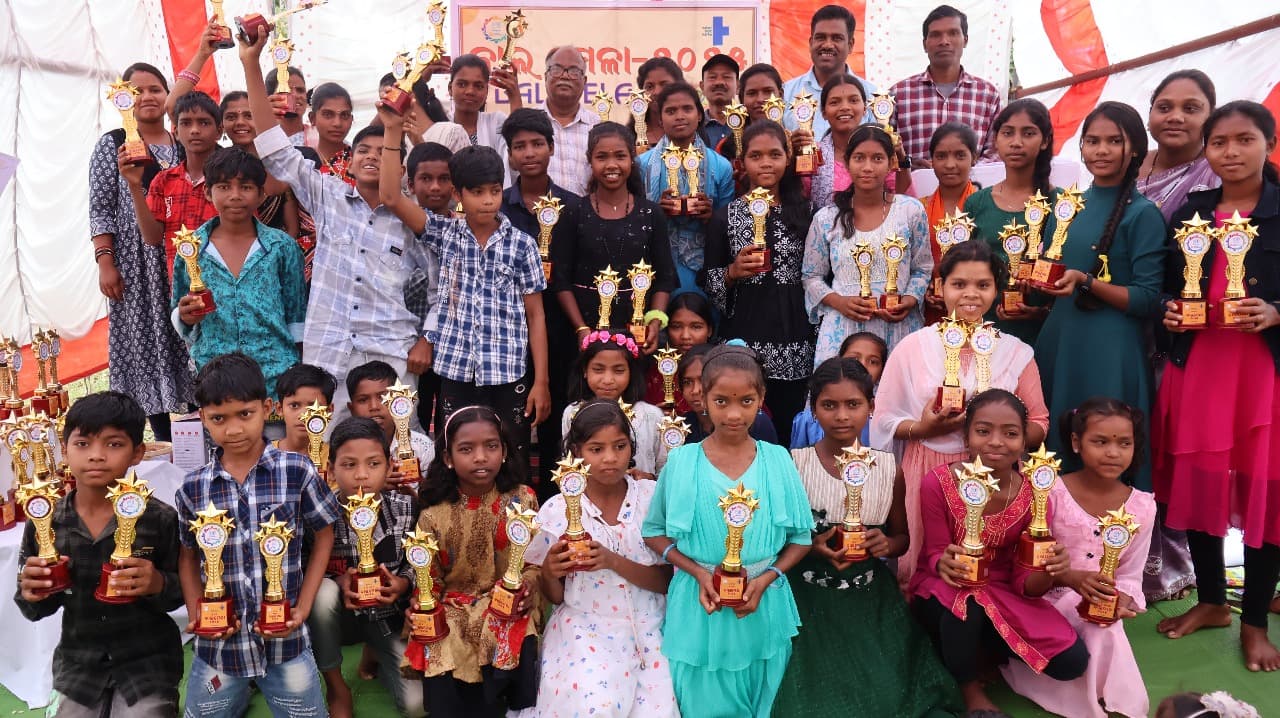
Ø Conduct a five-day Annual Bal Mela for children.
Ø Promote child protection, environmental awareness, and youth leadership.
Ø Enhance advocacy and convergence with government departments.
The project will continue strengthening women’s leadership, children’s participation, and sustainable livelihoods to ensure long-term community transformation.
Conclusion
The SHAKTI Project during 2025–26 demonstrated that collective action, community participation, and women-led leadership can bring meaningful and sustainable change in remote tribal communities. Through strengthened SHGs, active Green Child Clubs, livelihood promotion, child protection initiatives, and improved governance engagement, the project has positively impacted the lives of women, children, and vulnerable families.
JAGRUTI remains committed to continuing this journey of empowerment, dignity, and self-reliance in partnership with communities, stakeholders, and Kindernothilfe (KNH).
Project Gallery